The Guide
What Is Consultative Selling?
The fastest way to lose a deal is to prove how much you know. The fastest way to win one is to find out how much you don't.
The Definition
Stop Pitching. Start Diagnosing.
Consultative selling is a sales approach where you enter the conversation as an advisor, not an auctioneer. Instead of leading with features, pricing, and product demos, you lead with questions. You diagnose the buyer's situation before you prescribe a solution.
The buyer already has Google. They can read spec sheets. What they can't get from a website is context: how their specific problem connects to their business, their team, their metrics, and their constraints. That's the gap consultative selling fills.
In plain language: you talk less, listen more, and sell more because the prospect feels understood before they feel sold.
The Shift
Old School vs. Consultative
| Transactional Selling | Consultative Selling |
|---|---|
| Lead with the product | Lead with the problem |
| Talk 80% of the time | Listen 80% of the time |
| Push features | Pull out pain |
| One-size-fits-all demo | Co-built solution |
| Close at all costs | Qualify at all costs |
Why It Works
Trust Is the Only Currency That Compounds
Relationships
People buy from humans they believe. Consultative selling builds that belief before any contract shows up.
Diagnosis
When you ask better questions, you surface problems the buyer didn't know they had. That's where real value lives.
Precision
No more spray-and-pray pitches. You recommend exactly what fits — which shortens cycles and raises win rates.
The Principles
Five Truths I Use on Every Call
01
Curiosity First
Genuine curiosity beats clever scripts. Ask because you want to understand, not because you want to trap.
02
Listen to What Isn't Said
The real objection is rarely the first one. Listen for the pause, the hesitation, and the repeated phrase.
03
Earn the Right to Recommend
You don't get to pitch until you've demonstrated you understand the stakes. Recommendation is a privilege, not an opening move.
04
Make the Buying Process Transparent
Show them how to evaluate, how to decide, and what happens next. Advisors remove friction. Pitchmen create it.
05
Follow the Impact, Not the Commission
When you tie every recommendation to the prospect's outcome, the deal closes itself — and the renewal follows.
The Framework
Ask. Diagnose. Prescribe.
Three steps. No fluff. This is how you shut up and sell in a consultative conversation.
01
Ask
Open with context questions. What's the current state? What triggered this conversation? What does success look like six months from now?
02
Diagnose
Map what they told you against the real problem. Repeat it back. Confirm the gap. Make the cost of inaction visible.
03
Prescribe
Only now do you recommend. Tie every feature to their stated outcome. Keep it tight. One problem, one solution, one next step.
In Practice
A Real Conversation, Two Ways
The Transactional Version
"Our platform has 47 integrations, AI-powered forecasting, and a 99.9% uptime SLA. We can get you set up this week. Are you ready to sign?"
Result: The prospect nods, asks for pricing, and disappears into procurement.
The Consultative Version
"Before I show you anything, help me understand: what problem are you trying to solve that your current process isn't solving? And what happens if it stays unsolved for another quarter?"
Result: The prospect reveals the real issue. You co-build the solution. The deal closes because they convinced themselves.
Common Mistakes
The Habits That Kill Consultative Selling
- Asking questions just to set up your pitch. Prospects smell it.
- Talking over the buyer when they finally open up.
- Skipping discovery because the deal 'looks easy.'
- Confusing silence with agreement. Silence is information. Use it.
- Recommending before you understand the personal stakes for the buyer.
From the Book
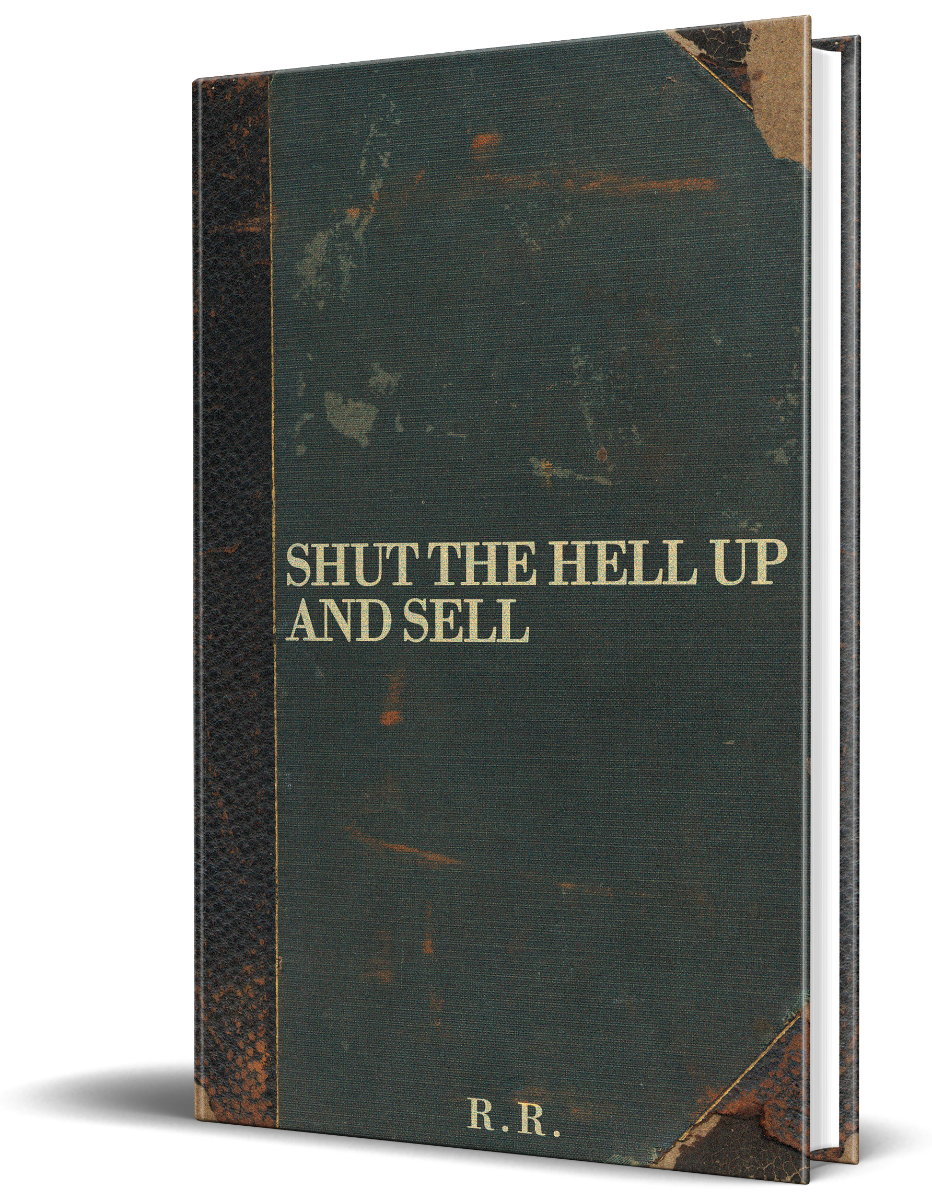
This Is the Heart of Say Less, Sell More.
Consultative selling isn't a script. It's a stance. You sit on the same side of the table as the buyer and look at the problem together. The book teaches you how to build that posture — through your sales why, your stories, and the daily discipline of execution.
If you want a sales process that feels less like a fight and more like a partnership, this is where it starts.
Ready to Sell Less and Win More?
Consultative selling is a skill, not a secret. The reps who master it are the ones who stop pitching and start partnering. Start today.